
Before going through the formal complaint process, try resolving a farm disturbance informally. An informal resolution is usually simpler and can lead to better long-term relationships.

Try to resolve the issue informally
Issues can often be resolved through conversation. Farmers may not know that their activities are affecting you and might be able to fix or improve the issue:
- Be respectful and open-minded. Try to approach the issue in a friendly and non-confrontational way
- Explain the issue clearly. Describe how the farm’s activities are affecting you or your property, and suggest possible solutions
- Listen to the farm’s perspective. They may have requirements or constraints you weren’t aware of (for example, regulations they must follow)
- Focus on the solution. Try to work together to find a compromise that works for both you and the farm
If you’re uncomfortable talking alone, ask a neutral third party (for example, a mutual acquaintance) to join the conversation.
How farmers can address concerns
If a neighbour has concerns about your farm, try to resolve the issue early. You should:

Talk to them
- Communicating and building trust with your neighbours can help stop disputes from escalating
- Keep records of your conversations. These can be helpful if they make a formal complaint

Offer reasonable adjustments
- Explore ways you can reduce disruption to your neighbours
- For example, notify them before loud activities or change your manure-spreading schedules

Show you’re using best practices
- Explain and document your compliance with farm guidelines
- Refer to the Good Neighbour Farming guide (PDF, 1.3MB)

Use industry mediators
- Your local government or Ministry of Agriculture and Food office may be able to help resolve disputes
- Your industry association or marketing board/commission may also be able to provide advice or mediation
Farm practice guides
These resources can help you understand what’s considered a normal farm practice in B.C., and offer guidance on how to reduce conflict and resolve concerns early:
- The Countryside and You – Booklet (PDF, 1.3MB)
Activities that people may expect when living near farming operations in B.C. - Good Neighbour Farming – Booklet (PDF, 1.3MB)
A farmer’s guide to the FPPA and mitigating common nuisance complaints - Agricultural Environmental Management Code of Practice
Sets standards for agricultural operations - Farm Practices in B.C. Reference Guide
Current practices used by farmers in B.C.
Common issues

Noise
Common issues:
- Propane cannons, wind machines, helicopters and farm equipment causing disturbances
- Livestock noise (for example, roosters, poultry, cattle)
- Continuous or night-time noise affecting nearby homes
Ways to prevent or mitigate:
- Follow industry noise guidelines and time operations to reduce disruption
- Use buffer zones or noise-reducing equipment where possible
- Maintain machinery to reduce excess noise
- Notify neighbours before using propane cannons or heavy equipment

Odour and pesticide use
Common issues:
- Manure spreading, composting and confined livestock operations causing strong odours
- Pesticide spray drift affecting neighbouring properties
Ways to prevent or mitigate:
- Follow the Agricultural Environmental Management Code of Practice for odour and manure management
- Use targeted pesticide application methods to reduce drift
- Maintain vegetative buffers to help absorb odour and spray drift
- Talk to neighbours about manure-spreading schedules

Dust and air quality
Common issues:
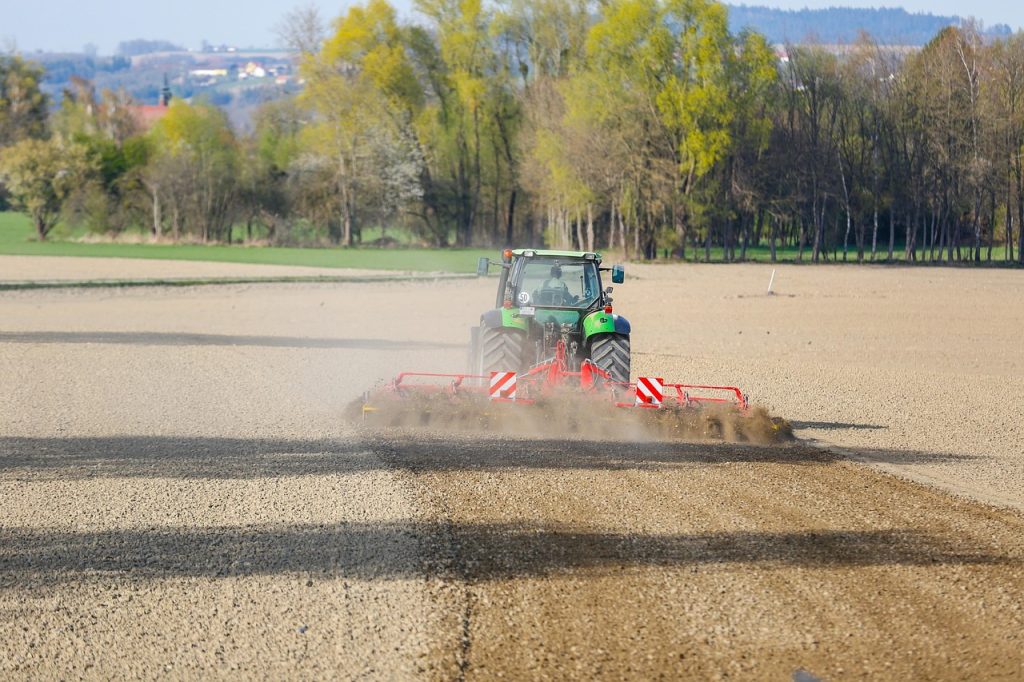
- Dust from tilling, haying, soil prep, or uncovered fields
- Airborne particles from manure or compost spreading
- Smoke from burning or land clearing
Ways to prevent or mitigate:
- Avoid operations on windy or dry days that stir up dust
- Use cover crops or mulch to stabilize bare soil
- Orient fans away from property lines and neighbours
- Water roadways and working areas during dry periods
- Burn only when the venting index is favourable and you have proper permits
- Install a vegetative buffer that will help capture dust

Livestock and fencing
Common issues:
- Loose livestock damaging neighbouring properties
- Conflicts over shared responsibility for fencing
- Concerns about livestock on roads or in public space
Ways to prevent or mitigate:
- Ensure fencing meets legal requirements for your location
- Maintain shared fencing according to the Trespass Act
- Address disputes over fencing costs through mediation
- Use livestock tracking systems (for example, GPS or ear tags) to prevent escapes

Farm lighting
Common issues:
- Bright greenhouse or barn lights affecting residential areas
- Floodlights causing glare for neighbours
- Late-night operations disturbing nearby properties
Ways to prevent or mitigate:
- Install light shields or directional lighting to reduce glare
- Use lower-intensity or motion-activated lights where possible
- Install blackout curtains in greenhouses to reduce brightness at night
- Notify neighbours in advance if you need to use temporary bright lighting

Water use and irrigation
Common issues:
- Excessive irrigation runoff affecting neighbouring properties
- Leaks or water pooling from irrigation systems
- Concerns over shared water sources and water rights
Ways to prevent or mitigate:
- Install drainage systems to prevent water runoff
- Use drip irrigation or scheduled watering to reduce water use
- Consult Environmental Farm Plan advisors to help improve irrigation systems
Find support to mediate disputes
You can find support to help resolve issues with farm operations from a variety of organizations:

Local government
Contacting your local government is a good first step to address issues. Local government staff can help you understand your options and find resources.

Provincial government
Ministry of Agriculture and Food staff can explain the law and regulations around farm practices. They are experienced at working with farms to address practice issues.

Industry organizations
Industry associations and regulated marketing boards and commissions often have liaison officers to help resolve disputes.

If you can’t resolve a dispute
If these steps don’t work, you can file a complaint with the B.C. Farm Industry Review Board (BCFIRB). The board hears complaints under the Farm Practices Protection (Right to Farm) Act.
Before filing a complaint:
- Learn about normal farm practices and the Right to Farm
- Review the Farm Practices in B.C. Reference Guide
- Understand which issues BCFIRB can and can’t address
- Search previous BCFIRB decisions for similar cases
If you need help
If you have any concerns or are unsure about any part of the process, BCFIRB staff can guide you.