
What the “Right to Farm” means
The Farm Practices Protection (Right to Farm) Act (FPPA) helps balance the needs of farmers and their neighbours.
The FPPA:
- Protects farmers from nuisance complaints, court orders, lawsuits, and some bylaw enforcement
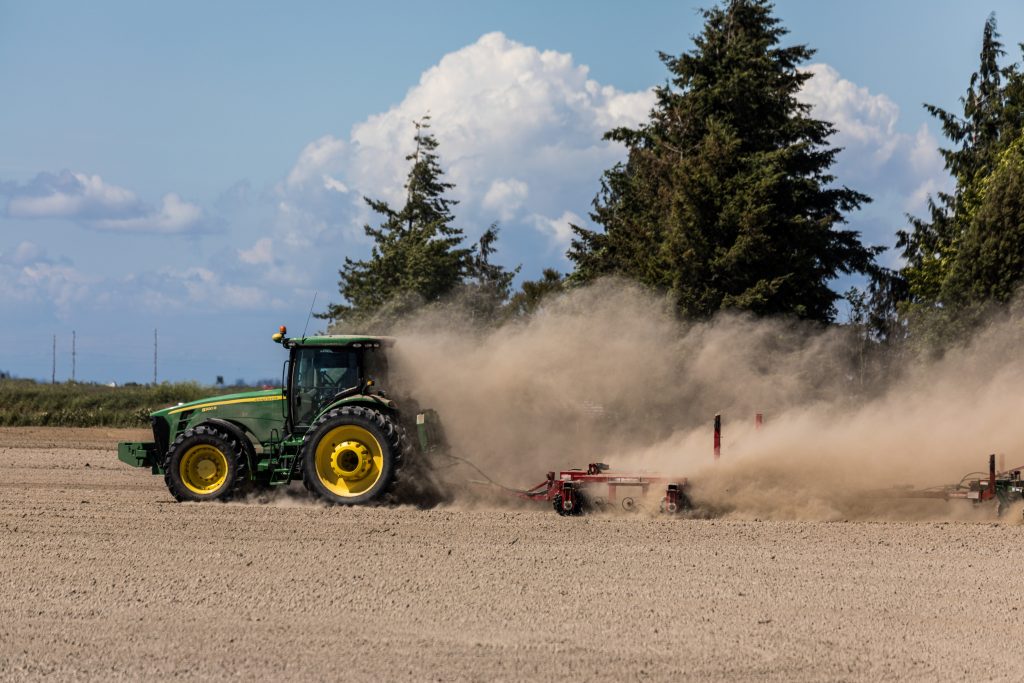
- Allows neighbours to file a complaint if a nearby farm business causes disturbances like odour, noise, or dust

When farm operations are protected
To be protected under the Act, a farmer must meet all the conditions listed in Section 2 of the FPPA:
- The activity is part of a farm business
- It follows normal farm practices
- It takes place on designated farm land
- The farm follows all applicable bylaws and relevant laws (including the Public Health Act, Environmental Management Act, Integrated Pest Management Act, and land use regulations)
If any of these aren’t met, the farm may not be protected and and could be ordered to change or stop the activity.
Normal farm practices
Under the Farm Practices Protection (Right to Farm) Act, farmers may be protected from nuisance complaints if the activity is a “normal farm practice”.
What qualifies as normal can vary depending on the type of farm, the activity, and how it’s carried out.
BCFIRB decides whether a farm practice is “normal” on a case-by-case basis. Both the farmer and the person affected can submit evidence and take part in a formal hearing before a decision is made. Learn about possible outcomes

What counts as normal
In general, a normal farm practice:
- Is commonly done by other farms in similar situations
- Follows accepted farming methods
- Is carried out properly and safely
- Meets environmental and health regulations

What’s not protected
Even common farm practices may not be protected if it:
- Causes excessive disturbance
- Is not carried out properly
Resources to understand normal farm practices
These resources can help you understand what’s considered a normal farm practice in B.C., and offer guidance on how to reduce conflict and resolve concerns early:
- The Countryside and You – Booklet (PDF, 1.3MB)
Activities that people may expect when living near farming operations in B.C. - Good Neighbour Farming – Booklet (PDF, 1.3MB)
A farmer’s guide to the FPPA and mitigating common nuisance complaints - Farm Practices in B.C. Reference Guide
Current practices used by farmers in B.C. - Agricultural Environmental Management Code of Practice
Sets standards for agricultural operations
Examples of normal farm practices
The examples below are for reference only. BCFIRB decides what qualifies as normal farm practice on a case-by-case basis.

Crop spraying
Protected
Safely using approved chemicals for pest control according to regulations
Not protected
Chemical sprays drifting onto neighbouring properties due to unsafe practices

Noise
Protected
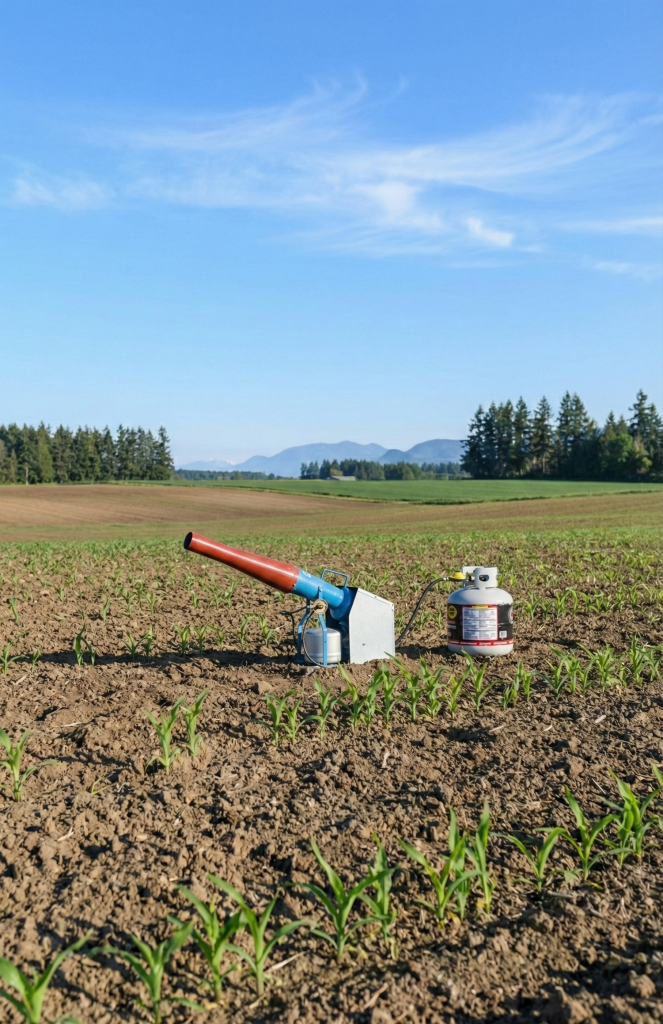
Using propane cannons to scare away birds at reasonable hours and intervals
Not protected
Continuous firing of propane cannons all day with no breaks

Fertiliser
Protected
Spreading manure or fertilisers in a way that minimizes odour and runoff
Not protected
Excessive fertiliser use causing runoff or strong odours disturbing the community

How BCFIRB can help
The B.C. Farm Industry Review Board (BCFIRB) is an independent administrative tribunal that handles complaints under the Farm Practices Protection (Right to Farm) Act (FPPA).
We review concerns about disturbances caused by farm practices. If the complaint qualifies under the Act, we can:
- Help resolve disputes through mediation or a formal hearing
- Decide whether the activity is a normal farm practice
- Order the farm to stop or change the activity, if needed
All final decisions are legally binding and may be subject to judicial review by the B.C. Supreme Court.
Complaints we can review
BCFIRB can only review complaints if all of the following are true:
- You are directly affected
You are personally experiencing the disturbance - It results from a farm practice
The disturbance (odour, noise, dust, light, pests, etc.) is caused by a farming practice, such as using machinery, raising livestock, or storing manure - It involves a farm business
The activity is part of a working farm operated to earn income - It’s on designated farmland
The farm is on land zoned or designated for farming - It’s within our authority
The issue isn’t already covered by another provincial or government authority
Issues that BCFIRB can’t address
We can’t review:
- Complaints about hobby farms or personal property use
- Issues not related to farm business activity
- Matters overseen by other provincial or local government authorities
Contact the right agency
Contact the appropriate agency if your concern is about:
- Employment issues involving farm workers − Employment Standards Branch
- Health concerns − Your local health authority
- Land boundaries or ownership − Land Title and Survey Authority of B.C.
- Land use − Agricultural Land Commission
- Nuisances not from a farm business − Your local government
- Pollution or environmental harm − B.C. Conservation Officer Service
- Water rights − Natural Resource Officers
- Zoning regulations or permit violations − Your local government
What qualifies as a farm business
We only review complaints involving farm businesses.
If the issue isn’t connected to a farm business, it’s outside our authority and is not protected by the Farm Practices Protection (Right to Farm) Act (FPPA).
For nuisance or bylaw issues not related to a farm business, contact your local government.
Qualifies as a farm business
A farm business is a working farm operated to earn income. It usually involves:
- Farming to sell products or earn profit
- Commercial activity, like regular sales or farm tax status
- A scale of operation that fits with the type of product being produced
What doesn’t qualify
BCFIRB does not review complaints about:
- Hobby farms or lifestyle farms with no intent to sell products
- Private gardens or animals kept for personal enjoyment
- Non-farming activity (commercial or personal activities not connected to farm operations)
How to resolve an issue
- Direct resolution: Attempt to resolve the issue directly with the farmer first
- Formal complaint: If unresolved, you may be able to file a complaint. BCFIRB may help you and the farmer resolve the issue through mediation or a formal hearing
If you need help
If you have any concerns or are unsure about any part of the process, BCFIRB staff can guide you.