
We understand that this may be one of the most stressful and emotional experiences you’ve faced. You may feel overwhelmed, heartbroken or unsure how to prove your side of the story. That’s completely normal.
This page is here to help you:
- Focus on what matters most to the B.C. Farm Industry Review Board (BCFIRB) panel
- Get practical steps to build a clear, effective case to appeal the B.C. Society for the Prevention of Cruelty to Animals (BC SPCA)’s decision
You do not need legal training. What matters is showing the facts in a way the panel can understand and use to make a fair decision.
Before preparing your case, review these key resources:

Appeal rules
Outlines the rules that govern how appeals are conducted, including formal process steps, deadlines, and appeal requirements.

Evidence rules
Shows how to organize and share your evidence before the hearing.

Appeal guide
A guide to help you prepare and attend your hearing.
Coming soon: BCFIRB Appellant Guidance
Disclaimer
This guide is not legal advice. It’s meant to help you prepare and stay organized for your hearing. You may use some or all of it depending on your situation.
Step 1. Know what BCFIRB will decide

The main legal questions
The panel (BCFIRB) makes its decision based on three legal questions:
- Were the animal(s) in distress at the time of seizure?
- Would returning the animal(s) put them back in distress or at risk of future distress?
- Are BC SPCA’s claimed costs of care reasonable and supported?
Focus on answering the three legal questions
It’s normal to feel upset and want to share how much you care about your animals.
However, the panel can only decide based on the three legal questions. Even if they understand your side, they can’t rule in your favour unless you address these questions directly.
What BCFIRB cannot decide
BCFIRB can only deal with issues within its authority under the Prevention of Cruelty to Animals Act (PCAA). They cannot judge:
- Whether the BC SPCA had the right to enter your property
- Whether a search warrant was valid or needed
- Whether your Charter rights were violated
- Any other criminal or constitutional matters
These types of issues would need to be raised in court.
Definition of distress
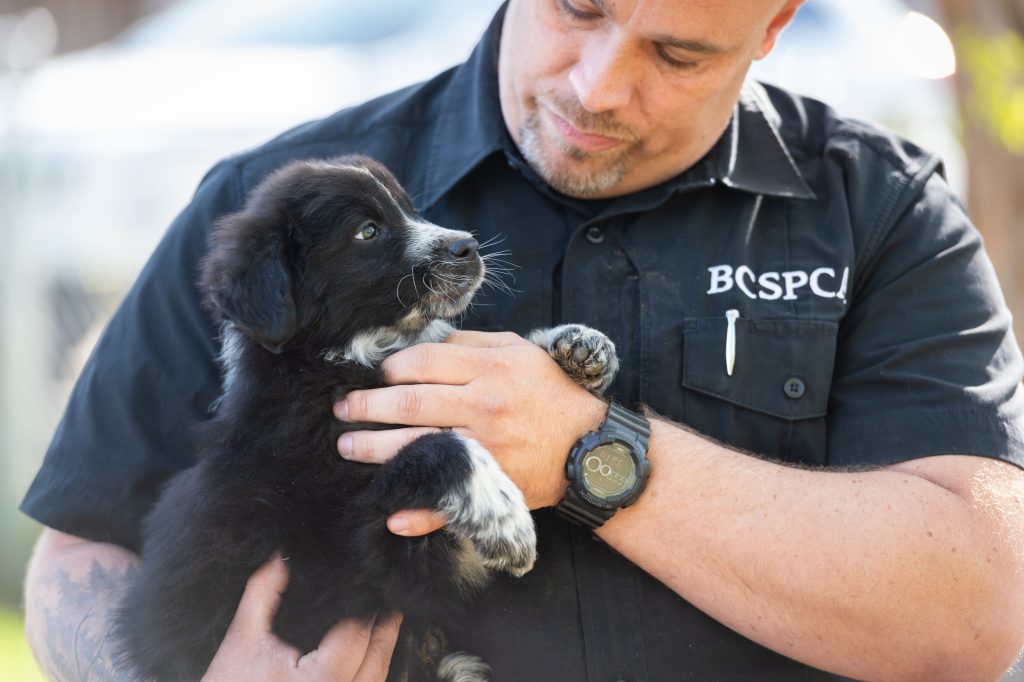
Under the Prevention of Cruelty to Animals Act, an animal is considered in distress if it is:
- Deprived of adequate food, water, shelter, ventilation, light, space, exercise, care, or veterinary treatment
- Kept in unsanitary conditions
- Not protected from excessive heat or cold
- Injured, sick, in pain, or suffering
- Abused or neglected
Even if you care deeply about your animals, the panel will focus on the actual conditions and outcomes, not your intentions.

Your legal responsibility as an animal owner
If you’re responsible for an animal, the law says you must:
- Take proper care of it
- Protect it from conditions that are likely to cause distress
- Not allow it to be in distress or stay in distress, once you know about it
This means it’s your duty to notice problems early and take action to prevent or fix them. Even if you didn’t cause the distress, you can still be held responsible if you allowed it to happen or didn’t stop it.
Step 2. Review what the BC SPCA is claiming
Carefully read the BC SPCA’s decision, seizure report, evidence and cost breakdowns.
As you review, make note of:
- Why the animals were taken
- What specific concerns they raised (such as poor shelter, untreated injury)
- What evidence was provided
- What costs they want you to pay and why
If something seems unclear or incomplete, you may:
- Ask for more information before the hearing, like a breakdown of costs
- Point out anything that seems exaggerated, unclear or not backed up by evidence
You’re allowed to question their claims, but you’ll need to explain why and provide your own evidence in response.
Understand the costs
The BC SPCA may ask the panel to order you to pay for the cost of caring for your animals while they were in its custody. These costs can be high, and the money could be collected from your personal assets.
You should:
- Look closely at the costs the BC SPCA says you owe
- Provide any evidence you have that relates to those costs
If you don’t respond to the claim, the panel will only consider the BC SPCA’s evidence when deciding how much you owe. You and the BC SPCA can discuss costs during the hearing.
For more details, see Rule 10 of the PCAA Rules for Practice and Procedure for Appeals (PDF, 325KB).
Step 3. Plan your response

Decide how to respond
For each BC SPCA concern, write down:
- What is the BC SPCA saying?
- What’s your explanation or side of the story?
- What facts support your explanation?
- What evidence can you show to support each fact?
Organize your points
Using the following structure can help you stay focused and make it easier for the panel to follow your case. Repeat for each issue raised and for each animal involved:

BC SPCA’s concern
The dog was underweight at the time of seizure.

Your explanation
The dog was being treated for a parasite infection. We were following veterinarian’s care plan.

Supporting facts
- Dog was diagnosed with parasites on May 22
- Vet prescribed medication and a care plan
- Treatment had begun before the seizure
- Weight was being tracked and was improving

Your evidence
- Vet record confirming diagnosis and date
- Prescription or medication receipt
- Progress notes or weight tracking log
- Photos of dog before/after
- Statement from vet confirming active treatment
Stay focused on your role
You may not agree with what the BC SPCA did, but the panel is not there to judge them. Your strongest case focuses on your actions, not theirs.
- Show what was happening when the animals were taken
- Explain what’s changed since and what you’re doing now
- Take ownership where it matters
Even if you think the complaint was unfair or someone else was involved, you are responsible for showing that the animals were properly cared for, and explain how you’re preventing problems going forward.

May help your case
“At the time, I didn’t realize how quickly the shelter flooded in heavy rain. I’ve raised the floor and added drainage.”

Won’t help your case
“The shelter flooded because my neighbour’s yard slopes into mine. It’s not my fault.”
Take it one step at a time
You may feel overwhelmed, especially if you’re upset or unsure about what’s most important. Start with just one concern the BC SPCA raised. Write down what happened and what you did about it. Gather any photos, records or notes that support your side. Then move on to the next concern. You don’t have to do everything at once.
Step 4. Gather the right evidence
The panel’s decision is based on facts and what you can prove. That means clear, well-organized evidence is one of the most important parts of your case. It helps show what really happened and what has changed since the BC SPCA took your animals.
You should only give evidence that is relevant. Before including a point or evidence, ask yourself: Does this help answer one of the legal questions?
If you’re not sure what evidence you should submit for your appeal, you may want to get legal advice. BCFIRB can’t give legal advice, tell you what evidence would help your specific case, or arrange to get evidence for you.
What makes good evidence
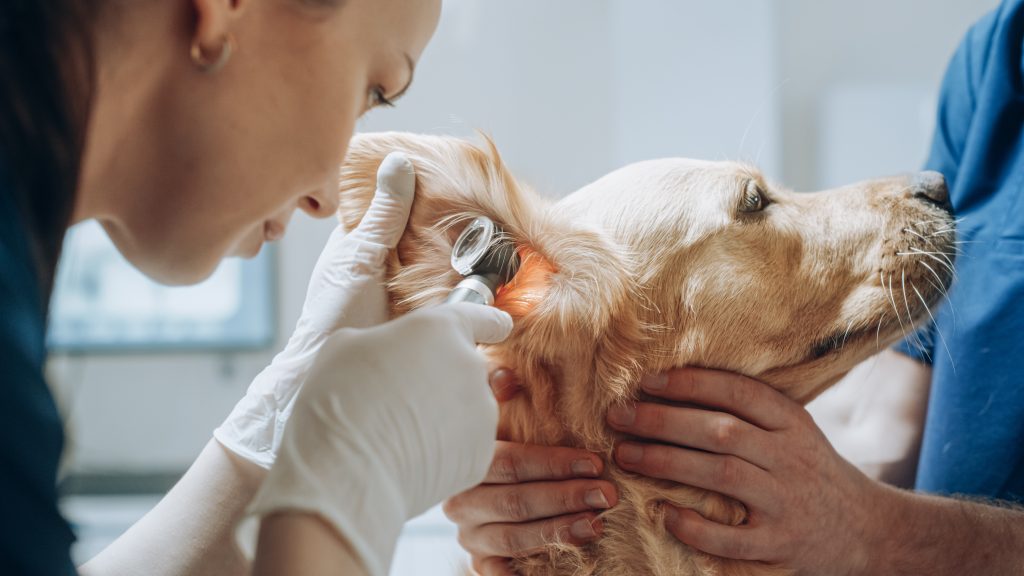
Your evidence should help the panel answer one of the three legal questions. The best evidence is:
- Relevant: Directly addresses something the BC SPCA raised
- Dated: Shows when something happened
- Credible: Comes from a vet, a professional, or someone with firsthand knowledge
- Specific: Clearly explains what it shows
- Organized: Easy for the panel to follow and understand
Too much extra material can make your case harder to follow. Focus on evidence that helps the panel understand your strongest points.
Evidence that often won’t help
Certain evidence is rarely helpful and may distract from your strong points. Avoid using:
- Emotional statements not tied to facts or actions
- General praise or character references
- Letters from people who haven’t seen the animals recently
- Undated or vague materials
- Opinions that aren’t backed by evidence
- Complaints about BC SPCA behaviour, unless it affected your ability to respond
Avoid exaggerating or making unsupported claims.
Submit your evidence on time
All documents must be submitted to BCFIRB and the BC SPCA by the deadlines in your process letter.
Types of evidence that may help

Veterinary records
Veterinary records are often the strongest form of evidence. These may include:
- Medical exams or treatment notes
- Diagnoses, prescriptions or test results
- Recovery timelines or ongoing care plans
- Written reports or summaries from a licensed veterinarian who examined the animals or reviewed the case
Records should be dated and clearly link to the BC SPCA’s current concerns. Veterinarian statements should explain findings in plain language and link them to the issues in the case.
Photos and videos
Clear, dated photos and videos can help prove facts in your case. They might be used to show:
- Support for what you or your witnesses say
- The condition of the shelter or living space
- How the animals looked or behaved
- Repairs or improvements you made
- Differences from what the BC SPCA reported
Avoid blurry, unclear, or edited images.
Receipts, logs, and care schedules
These can help show what care you were providing before and after the animals were taken. Helpful evidence might include:
- Receipts for veterinary visits, medications, food or supplies
- Feeding logs or medication schedules
- Notes on repairs, upgrades, or regular maintenance
Even handwritten notes may help if they’re dated and consistent.

Timelines
A simple timeline helps the panel follow your version of events and connect your actions to the concerns raised. Consider including:
- Key events (such as veterinary visits, repairs, BC SPCA removal, rehoming dates)
- Dates when care steps were taken or scheduled (like repairs or veterinary care)
- When you contacted the BC SPCA or received documents
- Any delays or issues that affected your response

Correspondence and official documents
Letters, emails, or notices can help show what was communicated and when:
- Emails or letters from the BC SPCA that confirm seizure dates, decisions or cost notices
- Your own emails asking for updates, access or explanations
- Emails or texts showing your responses, efforts or requests for information
- Confirmations of when animals were rehomed or transferred

Expert reports
An expert can offer unbiased, professional insight into a disputed part of your case.
For example, you might get an expert report from a:
- Veterinarian to explain medical treatment, recovery timelines or care standards
- Kennel operator to describe typical care routines or costs
- Contractor or inspector to assess shelter or structure safety or condition
- Medical professional to speak about your capacity to care for the animal
- Agrologists or livestock specialists in farm animal cases, to explain proper feeding, handling, or housing practices

Challenging BC SPCA care costs
If you’re disputing the amount the BC SPCA is asking you to pay, focus on specific concerns and back them up with clear evidence. Helpful evidence might include:
- A list of charges you believe are incorrect, and why
- Quotes from local veterinarians, kennels, or boarding facilities for similar care
- Proof that some charges happened after the animals were rehomed
- Documented proof that you were not responsible for the animal’s care costs
- Emails or notes showing confusion or delay in getting cost details
Examples of strong and weak evidence
| Type | ✓ – Helpful | ✘ – Less helpful |
|---|---|---|
| March 3 email from BC SPCA confirming seizure date and my reply on March 5 asking for veterinarian access. | “I’m pretty sure I sent some messages, but I don’t have copies.” | |
| Comparing costs | Quote from a nearby kennel showing similar care for $240 less than what the BC SPCA charged. | “That cost just seems way too high.” |
| Receipt and care log | February 10 receipt for dog food, and feeding chart showing daily feedings from February 15 to 28. | Invoice from a pet store for toys and collars, not tied to the issue in question. |
| Witness statement | I helped refill water buckets daily from Feb 15 to 28. | Typed letter saying “She’s a great pet owner” with no details about what the person saw or did. |
| Health documents | Vet statement confirming treatment plan for skin condition. Includes diagnosis date and follow-up timeline. | Copy of a vaccine certificate from three years ago, with no connection to current health concerns. |
Step 5. Choose and prepare your witnesses
Witnesses can help support your version of what happened. Choose people with direct, first-hand knowledge of the events.
How to choose your witnesses
Choose people who can clearly describe what they saw, heard, or did. Avoid witnesses who only have second-hand information, personal opinions, or just want to show you’re a good person.
For example, a helpful witness could be someone who:
- Helped care for the animals or administer medications
- Saw the shelter or living conditions
- Delivered supplies for repairs
- Was present during the BC SPCA visit
How to prepare your witnesses
Before the hearing:
- Review the facts you need to prove and what each witness can contribute
- Ask what they remember and what they’re prepared to say
- Write down the questions you’ll ask
- Make sure they understand what they’ll be asked about
- Remind them to stick to facts, not opinions or arguments
- Let them know they may be questioned by the other party or the panel
- Write a short summary of what each witness will speak about

Using expert testimony
Only expert witnesses can provide opinions on specialized topics, like veterinary standards, appropriate treatment timelines, or what care should cost.
If you want to use expert evidence, you must:
- Notify BCFIRB early
- Submit the expert’s report by the submission dates outlined in your process letter
Step 6. Prepare questions for the other party’s witnesses
During the hearing, you will have a chance to ask the other party’s witnesses questions. This is called cross-examination. This is your opportunity to test the facts or timelines they present.
To prepare:
- Review the other party’s documents and evidence
- Think about what their witnesses may say, based on the issues in dispute
- Make a list of key points you want to clarify or challenge
Focus on facts, not opinions. Good questions are clear, neutral, and tied to the evidence. Writing them down in advance will help you stay organized during the hearing.
Step 7. Organize your evidence and arguments
Once you’ve built your case, it’s time to put everything in order. For example, you could:
- Gather everything in one place
You can do this physically (in stacks) or digitally (in folders) - Decide the order you will present your case
There’s no one right way to present. Choose an order that helps the panel see your side clearly. For example, you could group by each animal, each type of issue (like medical care, shelter, or feeding) or the legal questions. Write out the order in a way that makes sense to you. This will become your roadmap during the hearing - Group your evidence to match your structure
Remove anything that doesn’t clearly relate to the issues you’re trying to explain - Number every page
Start from 1 and count up. Do not restart the count between files. This ensures everyone is literally “on the same page” during a hearing - Add labels so it’s clear what each item is
Rename each digital file (if submitting electronically) or write a note for each printed item (if mailing) - Create a submission list to help the panel navigate your evidence
Include a clear title for each item and consider adding details for each one:- Page number (from your full evidence package)
- File name (if submitting digitally)
- Description of the document (what it is)
- Date of the document
- Animal name (if there are multiple)
- What the document helps prove or explain
Step 8. Prepare for the hearing
Before the hearing, prepare your:
- Arguments – Group your arguments and evidence in a way that’s easy to follow
- Witnesses – Decide who you’ll call, what they’ll speak about, and when
- Questions for the other party’s witnesses – Write down questions that clarify facts or challenge key points
- Closing argument – Highlight your strongest evidence and explain how it answers the legal questions in your favour
You can bring notes or a written outline to help you stay focused.
Don’t try to cover everything at once
Instead, walk the panel through your case one concern at a time.
At the hearing, for each issue:
- Start with a short summary of the BC SPCA’s concern
- Follow with your explanation
- Then present your evidence that supports your side
This helps the panel track your reasoning and makes your case easier to follow.
Step 9. Make sure everything is ready
Use this checklist to make sure you’re prepared:
Know your case
- Write down what result you want from BCFIRB
- Identify the key points you need to prove
- Match each point with evidence or witnesses
- Find rules, policies, or past cases that support your case
Prepare for hearing
- Gather and label your documents
- Plan the questions you’ll ask
- Think about questions for the other side’s witnesses
- Write your closing argument

Confirm witness details
- Make sure your witnesses know what they’ll say
- Ask BCFIRB early if you need help getting a witness to attend
- Remind your witnesses about the hearing date

Be ready
- Charge your phone and keep a charger available
- Choose a quiet place without distractions
- Review your Notice of Appeal and any BCFIRB documents
- Arrive early so you’re not rushed
If you need help
If you have questions, contact BCFIRB. BCFIRB staff are here to support you throughout the process.