
Supply management is a national system that helps keep Canada’s food supply stable, safe, and fair. It controls how much farmers can produce, what price they receive, and how much product is imported into the country.
Supply management ensures that:
- Supply matches demand
- Producers receive a fair and stable income
- Canadians have a reliable supply of high-quality food
Canada’s supply management system
The federal and provincial governments work together to administer the supply management system.
There are five supply-managed products:
- Broiler hatching eggs
- Table eggs
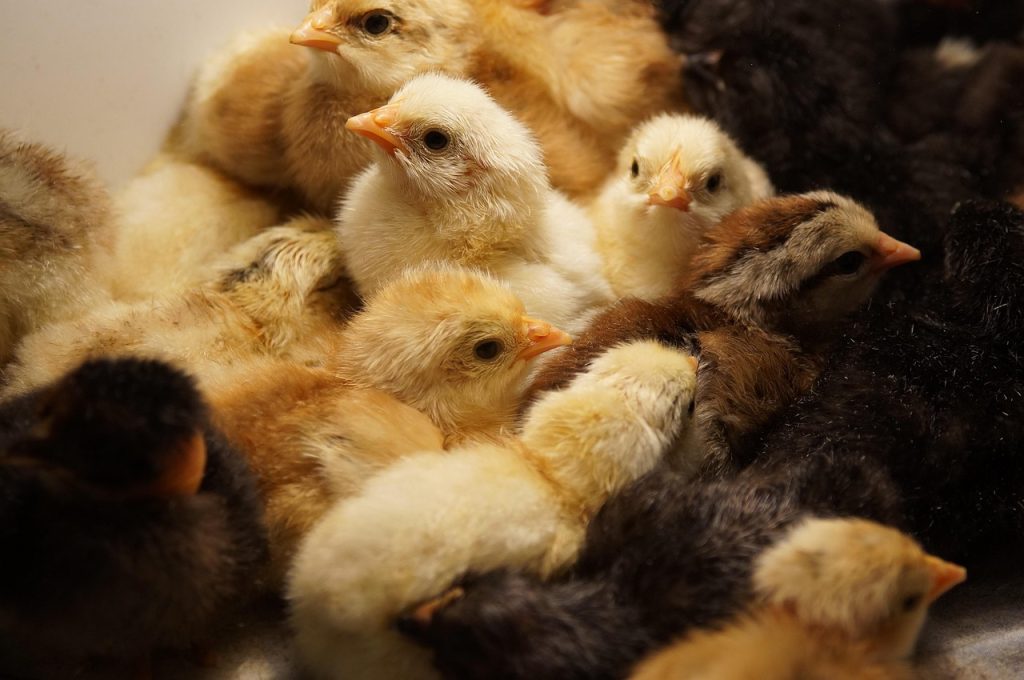
- Chicken
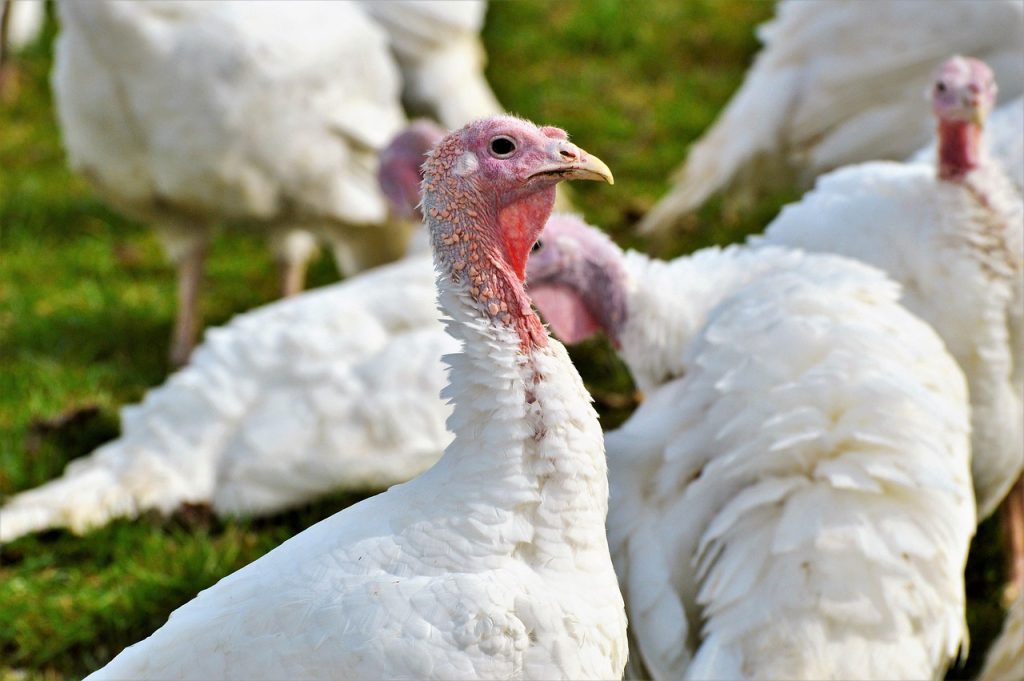
- Turkey
- Milk
Each product has:
- A national marketing agency that coordinates across Canada
- A provincial board or commission that oversees production in B.C.

B.C. boards and commissions
- Broiler hatching eggs: B.C. Broiler Hatching Egg Commission
- Table eggs: B.C. Egg Marketing Board
- Chicken: B.C. Chicken Marketing Board
- Turkey: B.C. Turkey Marketing Board
- Milk: B.C. Milk Marketing Board

National marketing agencies
- Broiler hatching eggs: Canadian Hatching Egg Producers
- Table eggs: Egg Farmers of Canada
- Chicken: Chicken Farmers of Canada
- Turkey: Turkey Farmers of Canada
- Milk: Canadian Dairy Commission
How supply management works
Supply management relies on three pillars:

Production controls
A quota system controls how much of each supply-managed product Canada produces.
Federal marketing agencies estimate how much is needed across Canada. They assign each province a share of the total quota.
Provincial boards and commissions divide their share among producers. Each producer is allowed to produce a set amount within a fixed period.

Price stability
Prices are managed to help farmers earn a fair, stable income.
A federal marketing agency oversees national plans for each product and works with provincial boards to coordinate pricing.
These boards set the farm-gate price (the amount processors and graders pay producers) based on production costs, helping farmers earn a fair income without relying on subsidies.

Import controls
The federal government controls how much foreign product enters Canada by requiring import permits and setting tariffs on supply-managed goods. This helps protect Canadian producers and maintain stable pricing.
How to apply for quota
To produce a supply-managed product in B.C., you need a quota. Quotas are licences that set how much of a product a farmer is allowed to produce and sell. It helps keep supply balanced with demand.
Each board or commission manages its own quota system. They also set the rules for how quota is issued, transferred, leased or allocated.
Depending on the sector and timing, you may be able to:
- Apply through a New Entrant Program
- Buy or lease quota from an existing producer
- Receive growth quota when more production is needed
Rules vary by sector and can change over time. For details:
Legislation, regulation and policy
Supply management relies on interlocking federal and provincial laws, regulations and policies.
Federal and provincial laws provide the statutory basis for the supply management system.

Sector-specific regulations and orders
Each supply-managed sector has:
- A national marketing plan
- A provincial marketing scheme
Marketing agencies, boards and commissions issue regulations and orders under these programs.