
A farm practices complaint is a formal process. Both parties must present evidence and clearly explain their side of the issue. The B.C. Farm Industry Review Board (BCFIRB) decides whether the farm’s activities are consistent with ‘normal farm practices’ under the Farm Practices Protection (Right to Farm) Act (FPPA).
How to prepare your case
Once BCFIRB accepts a complaint, both sides will need to prepare for a hearing. You should build a clear, well-organized case based on supported facts.
Before you submit evidence or attend the hearing, you should know:
- What you need to prove
- How to define and explain your case
- What kind of evidence to collect
- How witnesses may be helpful
- What to expect when presenting your case
Use the links below to help you prepare.

I filed the complaint
For a farm practices complaint to succeed, you must prove that the farm is not using ‘normal farm practices’.
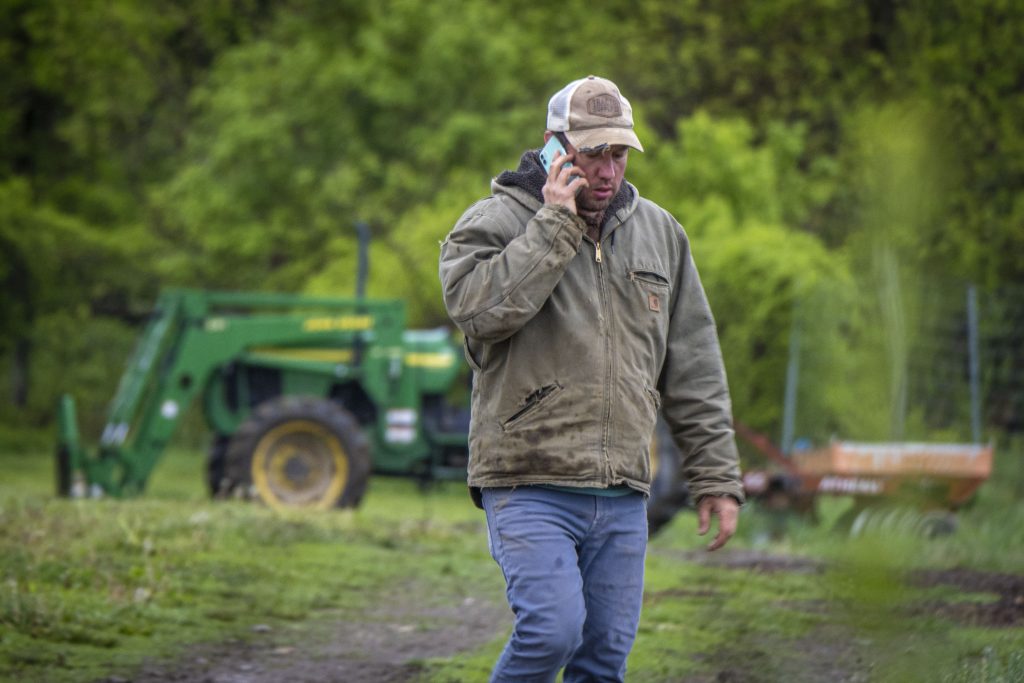
I’m responding to a complaint
You must prove that you are using ‘normal farm practices’, and protected by the Right to Farm.
Submitting evidence and witness lists
If BCFIRB schedules a hearing for a farm practices complaint, both the complainant and the respondent must give BCFIRB and each other:
- Any documents or other evidence they intend to rely on
- A list of witnesses they plan to call
To learn more about evidence disclosure, review Rules 9 and 10 in the Rules of Practice and Procedure for Complaints (PDF, 389KB).
Evidence deadlines
Unless BCFIRB directs you otherwise, you must disclose evidence and witness lists by:
- 30 calendar days before a hearing for expert reports
- 20 business days before a hearing for the person making the complaint
- 15 business days before a hearing for the farm responding to the complaint
Creating your witness list
You can call witnesses who have direct, first-hand knowledge of the issues in the complaint.
Your witness list should include:
- Witness names
- Their contact information
- A short summary of what they’ll speak about
Make sure your witnesses are available on the hearing date.
How to send documents
Send your evidence and witness list to both BCFIRB and the other party using one of the approved methods in the Document Disclosure Practice Directive (PDF, 174KB).
They should be:
- Physical or digital copies
- Consecutively numbered
- Delivered by hand, email, mail, courier or fax
Do not send documents through file-sharing sites, like Dropbox or WeTransfer. BCFIRB will not accept them.
Requesting documents from someone else
If you need documents or other evidence from another person, you can ask BCFIRB to order them to provide it.
You must send BCFIRB a written request at least 15 business days before the hearing. In your request, include:
- What documents you’re asking for
- Who has the documents
- Why you need them
The other party has 3 business days to respond to BCFIRB with its position on the application.
Learn more in section 34 of the Administrative Tribunals Act.
Asking to keep evidence private
If you believe that a piece of evidence should not be disclosed, you must make a request in writing to BCFIRB. You should list:
- Specific documents or parts of documents you wish to withhold
- Why you believe they should be withheld
You must also tell the other party that you are making this request and summarise your reasons for doing so. BCFIRB will decide whether the documents can be withheld.
If you need help
If you have any concerns or are unsure about any part of the process, BCFIRB staff can guide you.